
Pity the Architects?
(From Politiken)

The people a society chooses to venerate tells us much about who we are and the times in which we live. Over the past half century, actors, sports people, pop singers, comedians and influencers have come to take up pretty much all of our bandwidth. But why do we spend so much time and energy in their thrall?
Screen acting is 95% about being born with the right face. Sports stars’ skills are hard earned, but they are also of virtually no use to society (“But I can kick a ball really hard!” “Sir, put down that scalpel. This is an operating theatre”). And comedians are right up there with newspaper columnists as the most egocentric people on earth. And as for the social media stars, the sooner we switch off the Internet the better.
So who should we be spending more time on? Well, what about the architects? I realise they are not the most downtrodden demographic. Most of them are doing well enough at least to keep them in polo necks and fancy pencils and, true, some do already consider themselves to be gods. But compared to youtubers or stand-ups, most architects work incredibly hard, primarily with the intended outcome of simply making people’s lives better*.
What’s more, in Denmark, I would argue, architects, designers and planners are having arguably greater success at this than any other nation on earth. Nowhere is perfect (Ringsted could do with some love and attention, for instance), but broadly speaking your urban environments are the envy of the world.
Which is why I am surprised by how little acclaim Danish architects receive in comparison with, say, handball players or Medina, and how little attention is really paid to their work.
Is this because, for many, the reputation of architecture still hasn’t quite recovered from the failed social experiments of the Brutalist tower blocks of the 1960s and ‘70s? Or perhaps it is a Danish instinct to shun what might be perceived as an elitist pursuit.
I am not an architect, but I know a little bit about their world having co-produced and presented a podcast about architecture for a few years. It’s called ‘Let’s Talk Architecture’, and I make it together with the Danish Architecture Center.
So, yes, you might conclude that I am in the pocket of ‘Big Architecture’ and am desperate to promote my podcast. But actually, the podcast is doing just fine thanks: internationally there is huge interest in what is being built here in Denmark, and in how the Danes approach the built environment.** Outside, in the world, your designers and architects are considered the apogee of their fields.
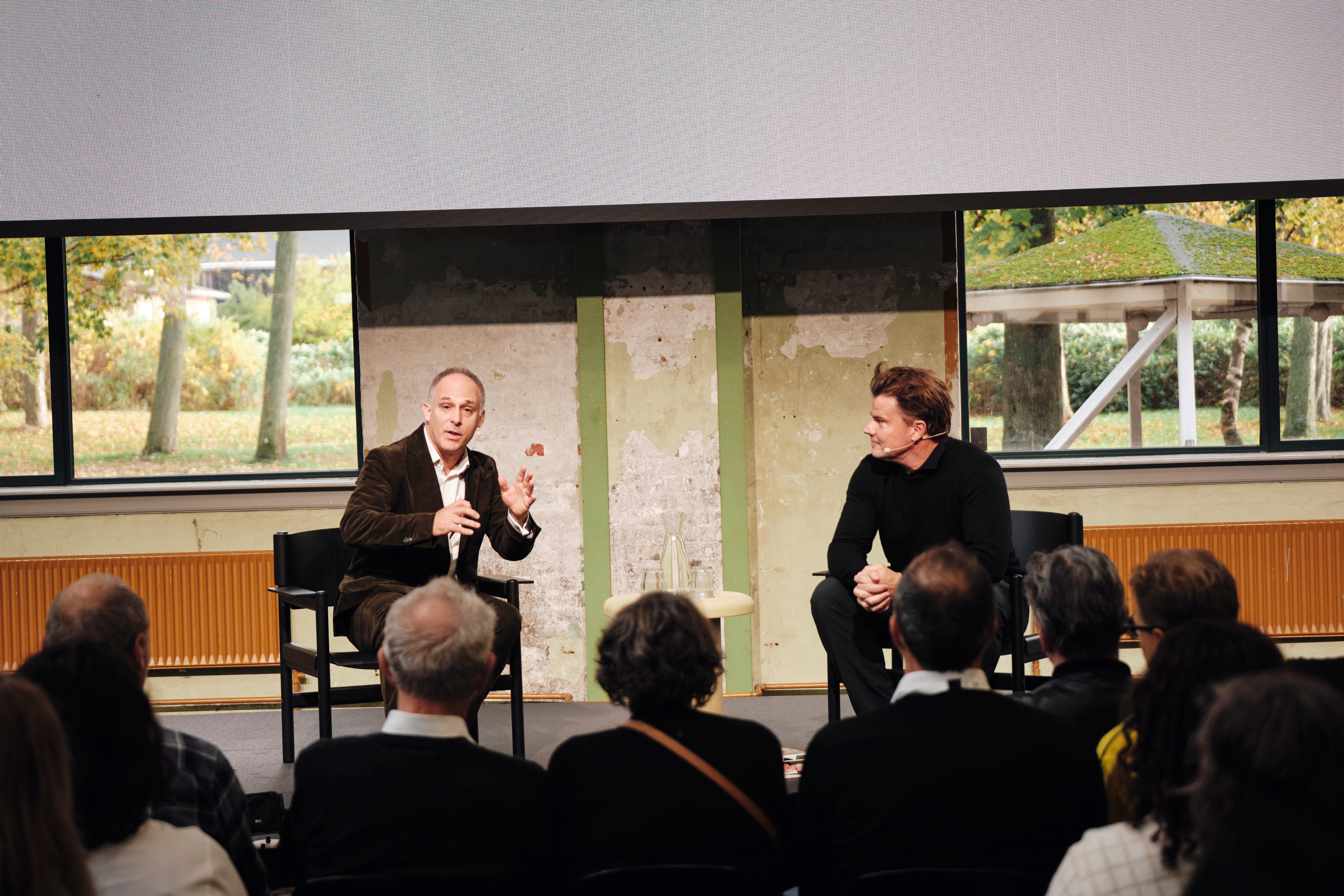
Obviously there is Jan Gehl whose wisdom on human scale urban design is sought by cities around the world. Bjarke Ingels (whom I interviewed on stage this week, see above) is a global star, too, obviously. But I’m also thinking, for example, about Vandkunsten’s pioneering approach to lower emission construction and their radical proposals for communal living (as demonstrated in their remarkable communal living block, Grønne Eng, out on Ørestad - go and have a look. It’s gorgeous - read about it here). Or Søren Pihlmann’s Thoravej 29 which has already drawn global attention for its reuse and adaptation of an old building and its ‘waste’ materials. You have a world leader in biomaterials too: Havnens Hænder, which is supplying renewable building materials made from seaweed, clay, wood and straw. Or, did you see the gorgeous Living Places experiment by EFFEKT and Velux out in the old goods yard by Copenhagen station? Go and take a look at Dorte Mandrup’s lovely Center for Sundhed in Nørrebro. What about the new children’s hospital, Børneriget, by 3XN - two shining examples of how a progressive (and, yes, admittedly very wealthy) public sector can work with architects and designers to make the lives of its citizens better. Or Henning Larsen’s Frederiksbjerg School in Aarhus, created with empathy and inclusion in mind and which so brilliantly caters to the needs of neurodivergent kids.
And Danish architects and landscapers are at the forefront when it comes to mitigating the effects of climate change, effects which are only going to get worse: in Copenhagen that means dealing with heavy rain with projects like the clever and beautiful landscaping of Karens Minde Aksen by Schønherr. In Svendborg, they are working hard to cope with rising sea levels, in part by letting the water in and integrating it with the town’s harbourfront. The world is watching these projects to see how the Danes are doing things.
The project I’ve been telling overseas friends about most recently is Realdania’s ‘Vores Sted’: 150 community centres designed by ReVærk in close collaboration with the communities who will use them, and built from recycled materials including old mink farms (finally, something good to come out of that industry and its demise). American friends find it almost impossible to imagine the concept of a charitable organisation like Realdania. Where is the profit? British friends always ask, aren’t they just going to be vandalised?
If the world was more just, sure, we would all know the names of Denmark’s nurses; those who care for the elderly would be praised daily on the news; and the bin men would automatically receive medals at the ends of their careers. They should be first in line if we were reordering society’s priorities.
But, for now, as the Danish Architecture Centre prepares to celebrate it’s 40th anniversary next year (look out for lots of amazing events in 2026), this might be a good moment to spare a thought for the architects, planners, designers and landscapers who help make this country one of the most liveable in the world.
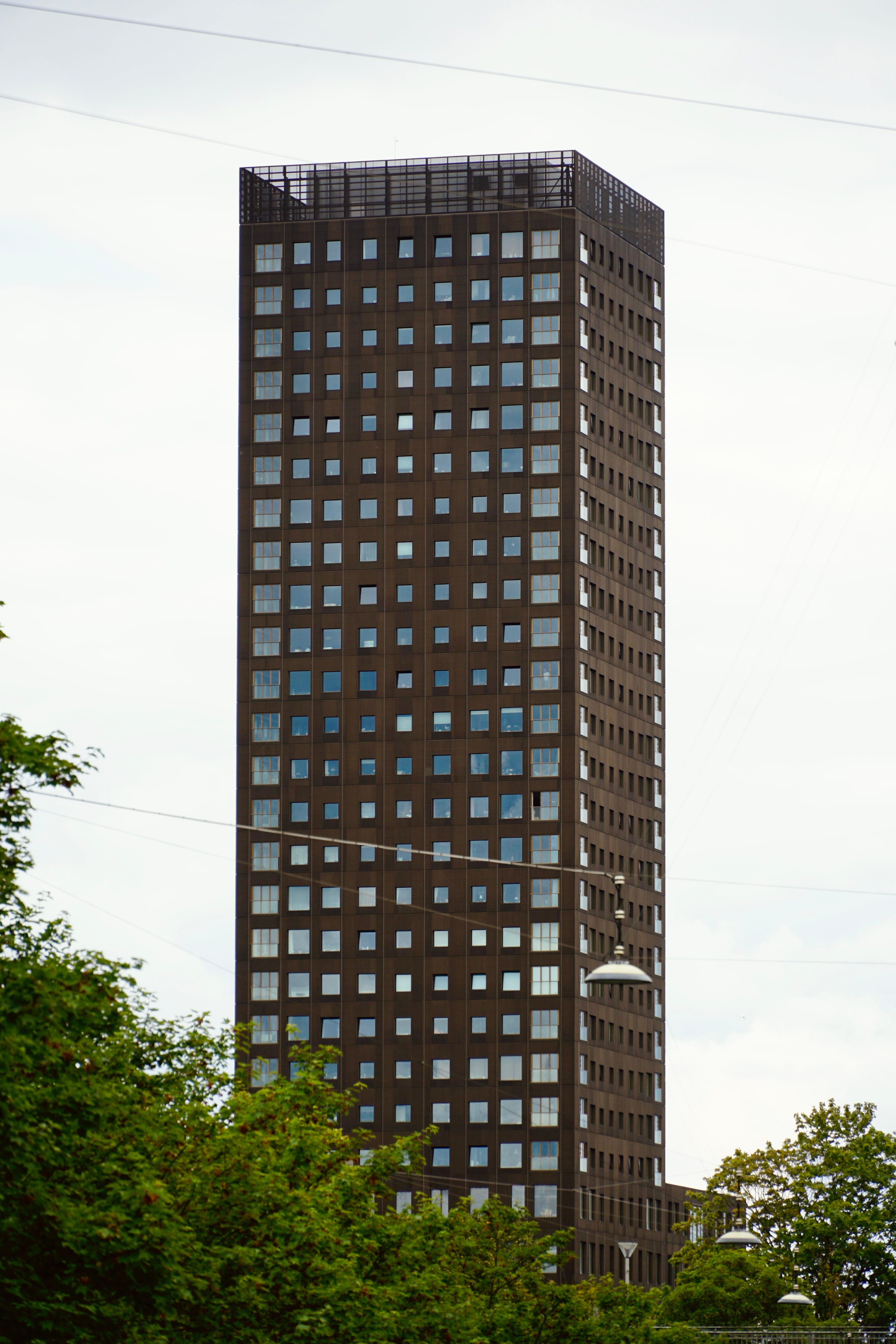
* Even the ones who built Bohrs Tårn in Carlsberg Byen didn’t set out to create a calamitous eyesore which will blot the horizon of our great capital for decades.
**Having said all this, just a footnote-for-thought but, over the years, I always ask my interviewees on the podcast what they think of Lynetteholm (a massive, hugely polluting reclaimed land project off the coast of Copenhagen): virtually no one has ever had a good word to say about it - the consensus being that it has less to do with solving a perceived housing crisis in Copenhagen or protecting the city from sea level rises, and more about generating money for all involved.
END